
This is Carlos.

Carlos moved from the Dominican Republic to the US with his mom when he was 8. He didn’t speak English. He was scared. He was sad. Yet he was determined.
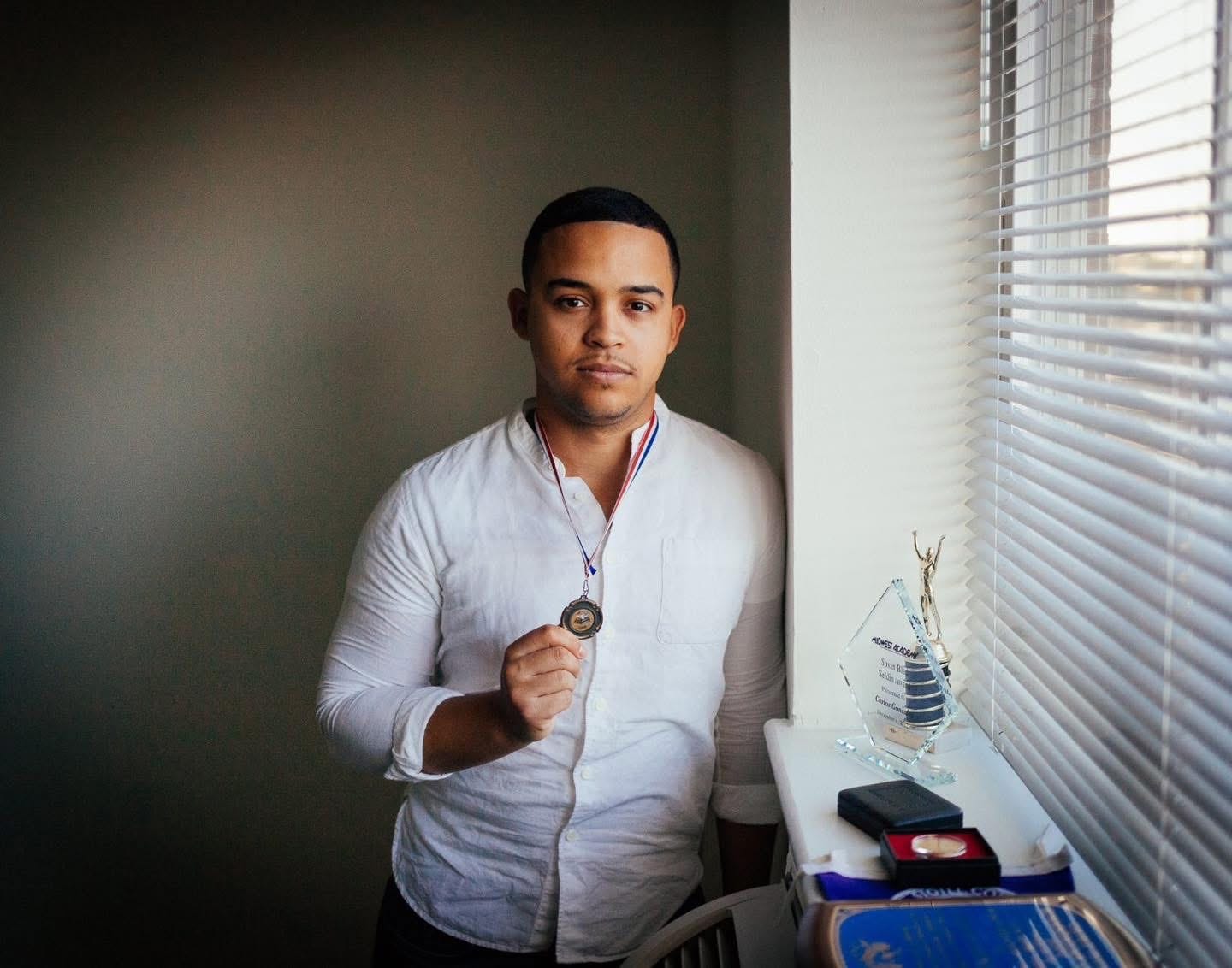
“I remember walking into my classroom on the first day of school and feeling tremendous pressure to do well academically,” he remembers.
“I was aware of the sacrifices my mom had made to move to the US, all so that my sisters and I could have access to a better education and lifestyle.”
The other ESL (English as a Second Language) students in his class seemed to know some English already. Voices surrounded him, but he couldn’t understand what they were saying.
“It really hit me at that moment how far behind I was from my peers. The hurdles I would have to go through to learn felt overwhelming, and I just broke down and cried. The teachers had to kick me out of the classroom because I was so loud.”
Over time, however, he began to adapt. Carlos knew learning English was the key to getting into college. By eighth grade, Carlos had not only learned the English language, but was thriving. Within three years of arriving, he was named “Student of the Year.”
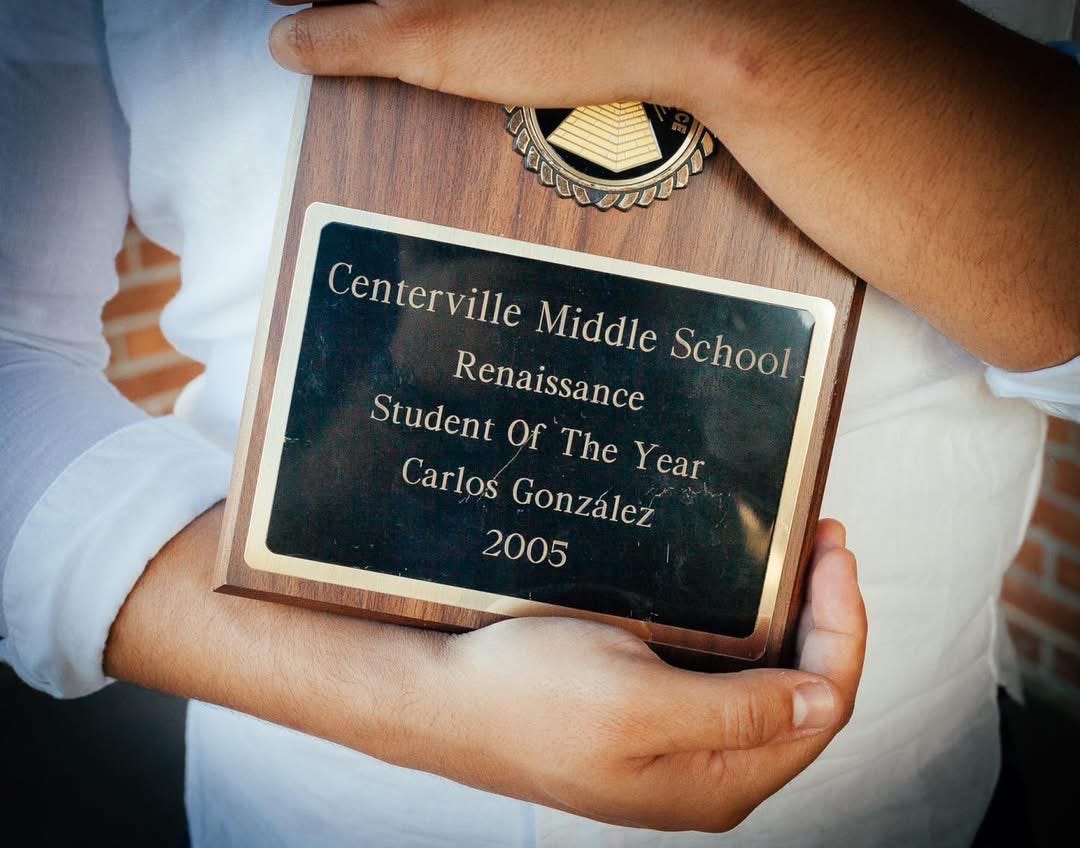
Carlos knew that his mother never planned on them returning to the Dominican Republic. He also knew their visas were going to expire, leaving them undocumented.
“Growing up undocumented was a difficult and traumatic experience. I felt like I needed to shelter who I was from the world so that I didn’t reveal too much and put my family in jeopardy of deportation. It only takes one call to immigration or for the wrong person to know about our status, for all of our sacrifices to have been in vain,” he said.
Carlos deliberately avoided making many friends – he didn’t want to get too close to anyone because of his undocumented status. His life revolved around school and studying. He never let his status get in the way of his studies. However, when Carlos started applying to colleges, the box where they ask for your social security number became an insurmountable problem. He decided to tell a high school teacher he trusted about his status.
“I was terrified to tell him. I feared his reaction because of the negative connotations attached to being undocumented. Some label you ‘illegal’ and dehumanize you when they find out that part of who you are. To my surprise, he was very supportive, and we are still close friends.”
Carlos’s goal was always to go to college. He didn’t care where he went; he just wanted to continue his education.
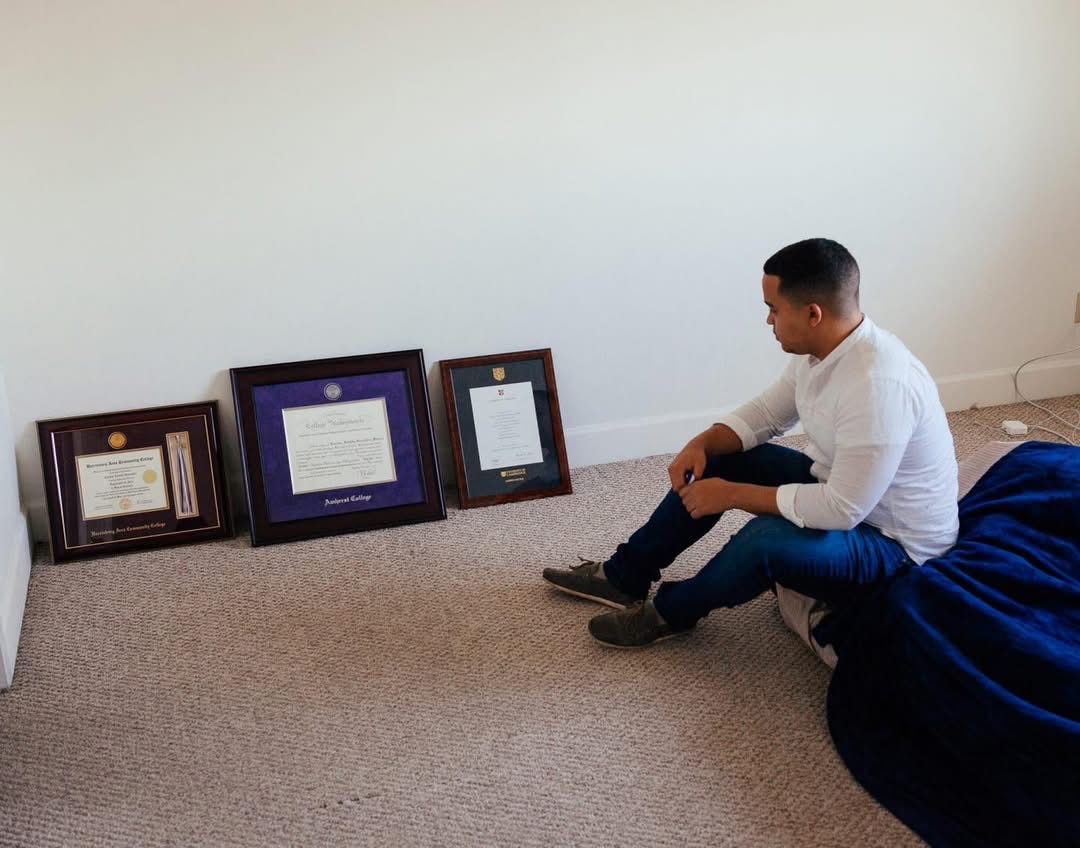
He ended up going to Amherst in Pennsylvania. He majored in political science and interdisciplinary studies. He loved it. He thrived. But he still lived in fear.

And then, President Obama announced Deferred Action for Childhood Arrivals (DACA). He applied, and in many ways, DACA changed his life.
In 2015, Carlos earned a Gates Cambridge Scholarship to study for a master’s in Philosophy in Latin American studies in the United Kingdom. The following year he won a Schwarzman Scholarship to do a master’s in Global Affairs in China.
In 2017, Carlos started working as the Statewide Capacity Building Coordinator for the Pennsylvania Immigration and Citizenship Coalition, which brings together immigrant and refugee rights organizations.
He’s been doing similar work ever since.
Carlos thinks it’s essential for more people who are undocumented to share their stories. He believes most Americans who haven’t met an undocumented person (or at least aren’t aware of meeting one), regard them in a negative light – as if they are faceless and nameless.
“We can be your neighbors or go to school with you or be your colleagues,” he said. “Hearing our stories puts a human touch to the experience and builds solidarity. People who might be opposed or hostile to the undocumented community, change once they realize they know one of us. It’s important, especially in this political climate, that we tell our stories.” ❤️
And that’s why I’m sharing his 🙏🏽
Thank you for the wonderful portrait of this amazing young man!